
Architecture
Portlane moteurs step by step: APIM, ingress, broker, worker, distribute, supervision, on your infrastructure
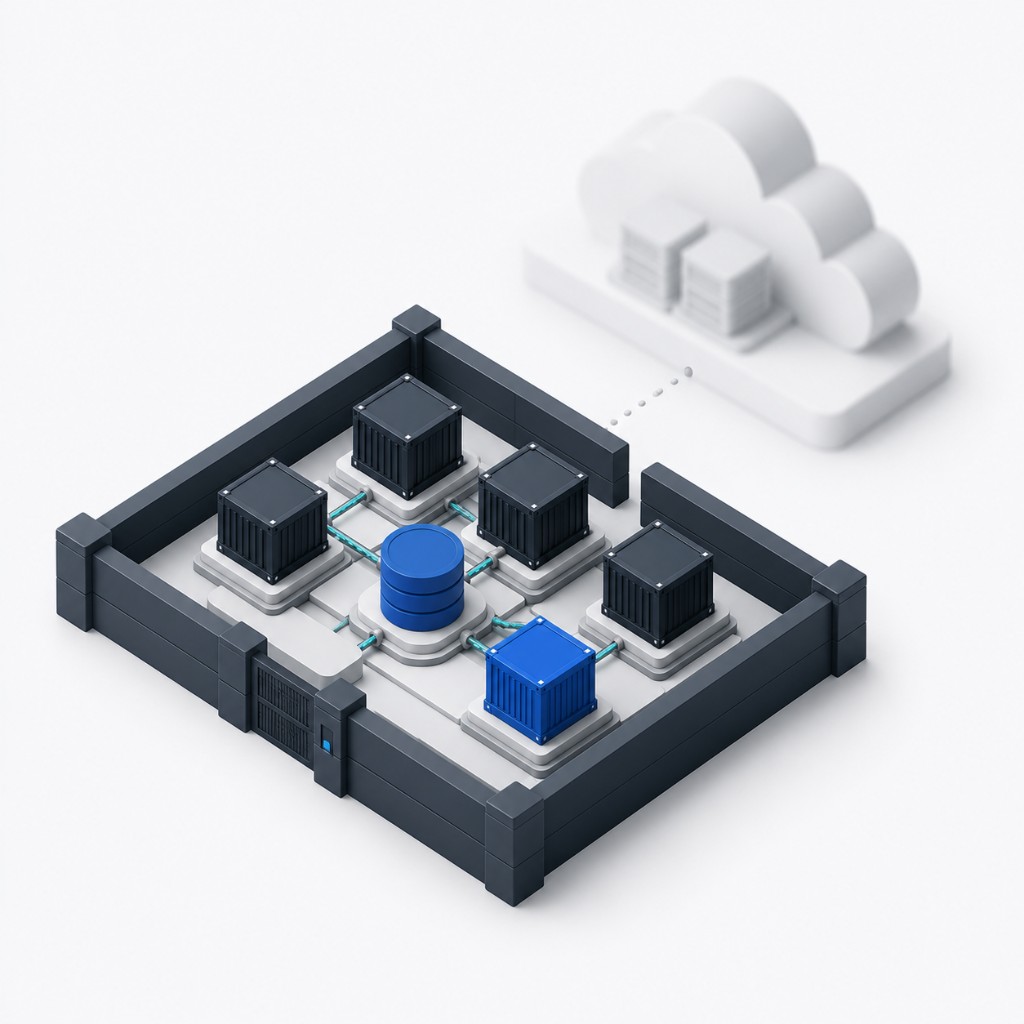
Most integration platforms sell you a studio far from your servers and a subscription that comes back every year. Portlane is the opposite: Docker moteurs you install (Cœur), a Postgres that acts as both enveloppe bus and memory, and a chain you can read without opening a vendor console. Commercial model: Licence à vie on devis.
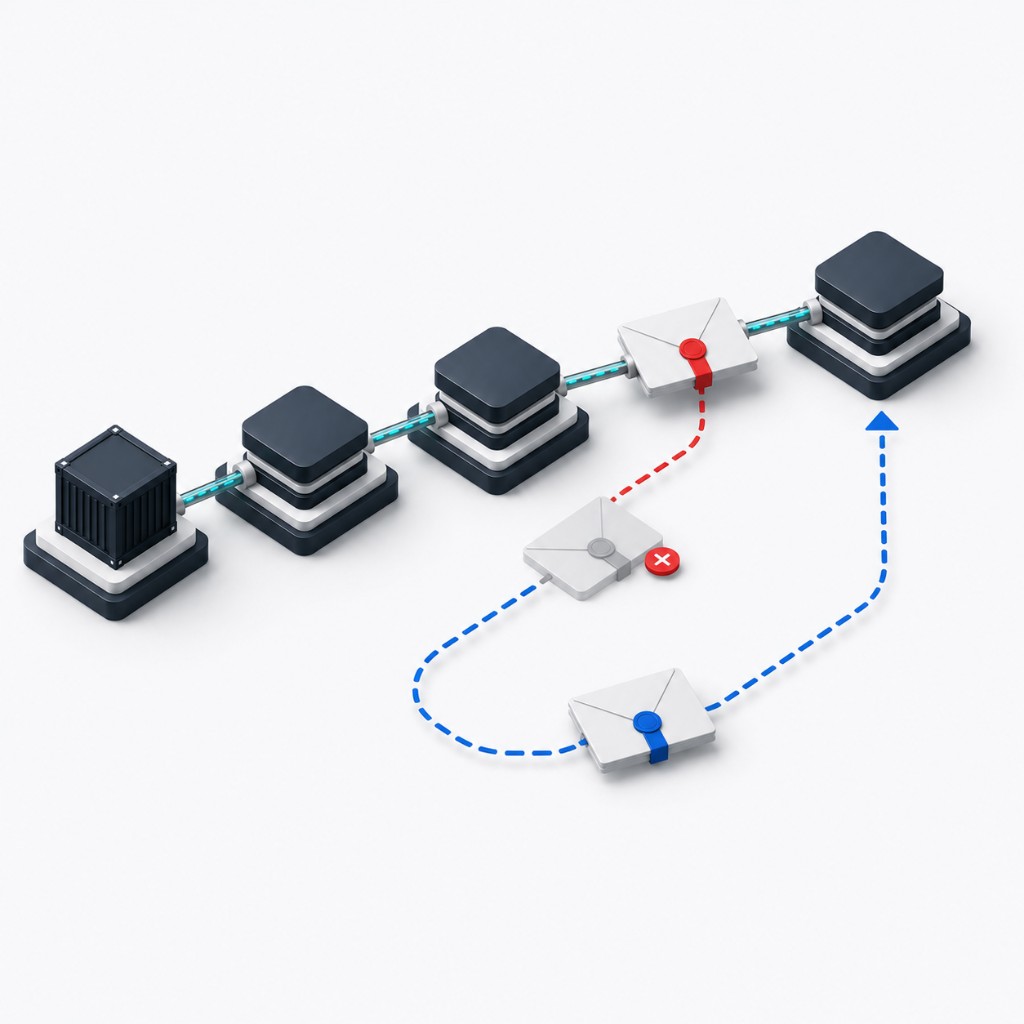
Each moteur has one job. It reads a queue, does the work, writes the result. Nothing important lives only in memory. A link can fail and the enveloppe remains. What follows is the path in order.
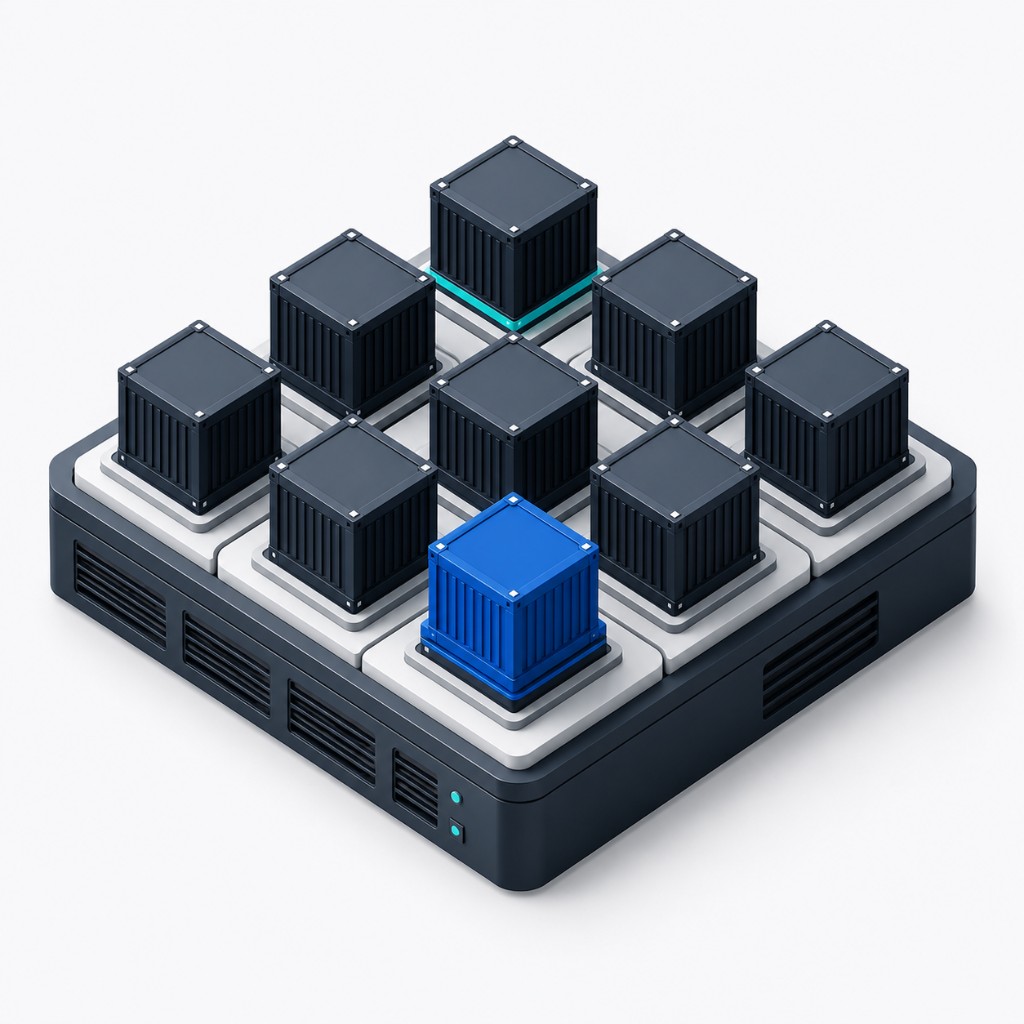
The path, step by step
Seven moteurs, one fixed order. Each does one thing. The next picks up where the previous left off.
01 · apim · Entry perimeter
You hold the door before data enters the chain. Who can send, under which rules, what crosses the line: your call. No hidden filter at the vendor.
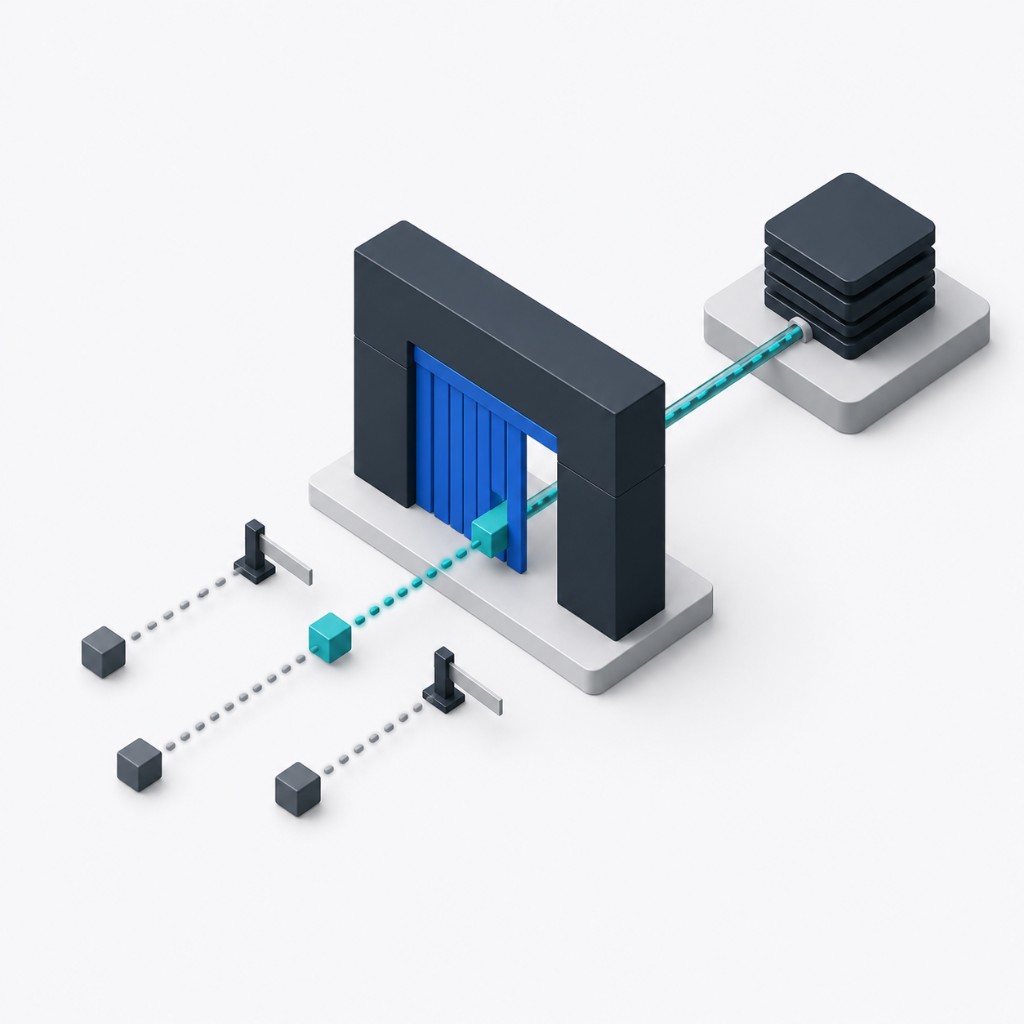
02 · listener · Ingress (push)
When a partner or system sends you data, the listener takes charge right away. It is traced, stored, rejouable. That is the difference between an informal exchange and a flux you can defend in an audit.
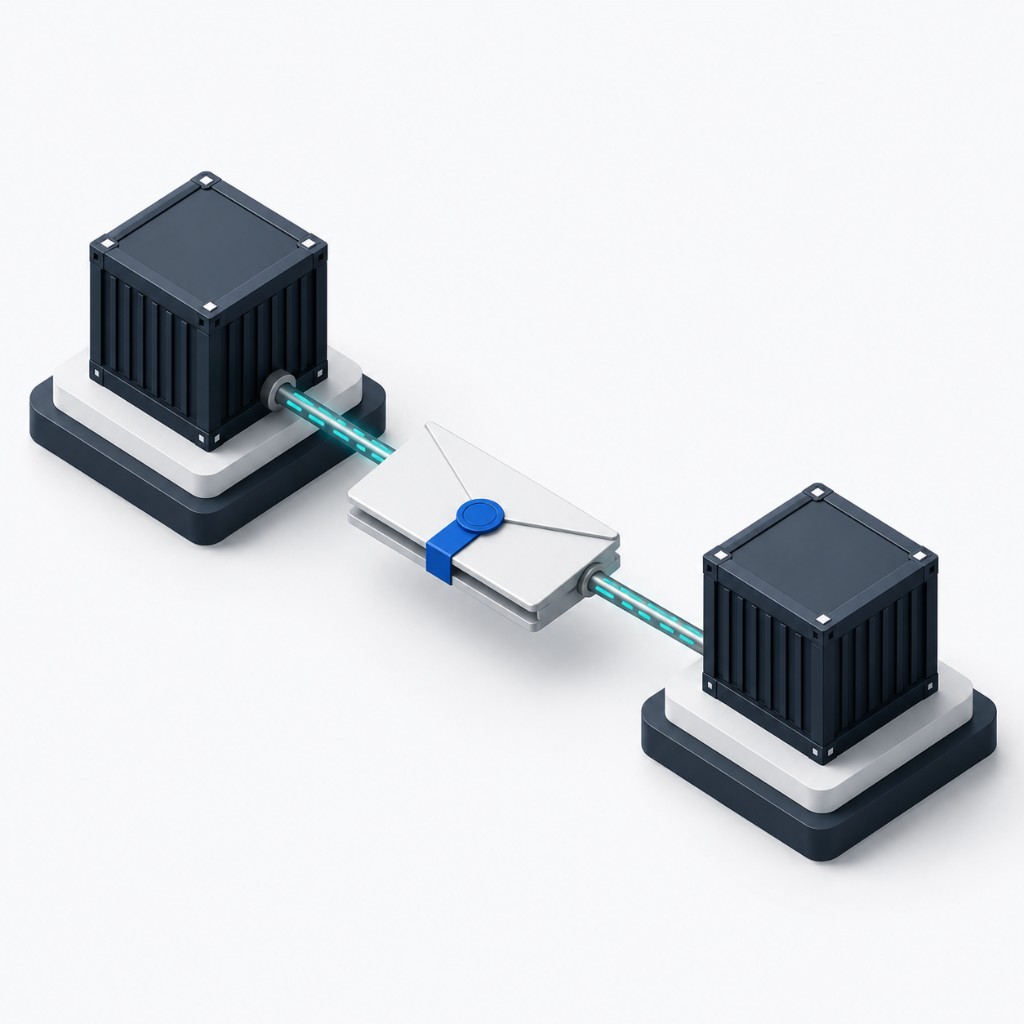
03 · pooling · Ingress (pull)
Not every system pushes its data. Pooling fetches on schedule (CRM, ERP, business API) and hands off to the listener, which creates the canonical enveloppe. One circuit after that, not two parallel chains.
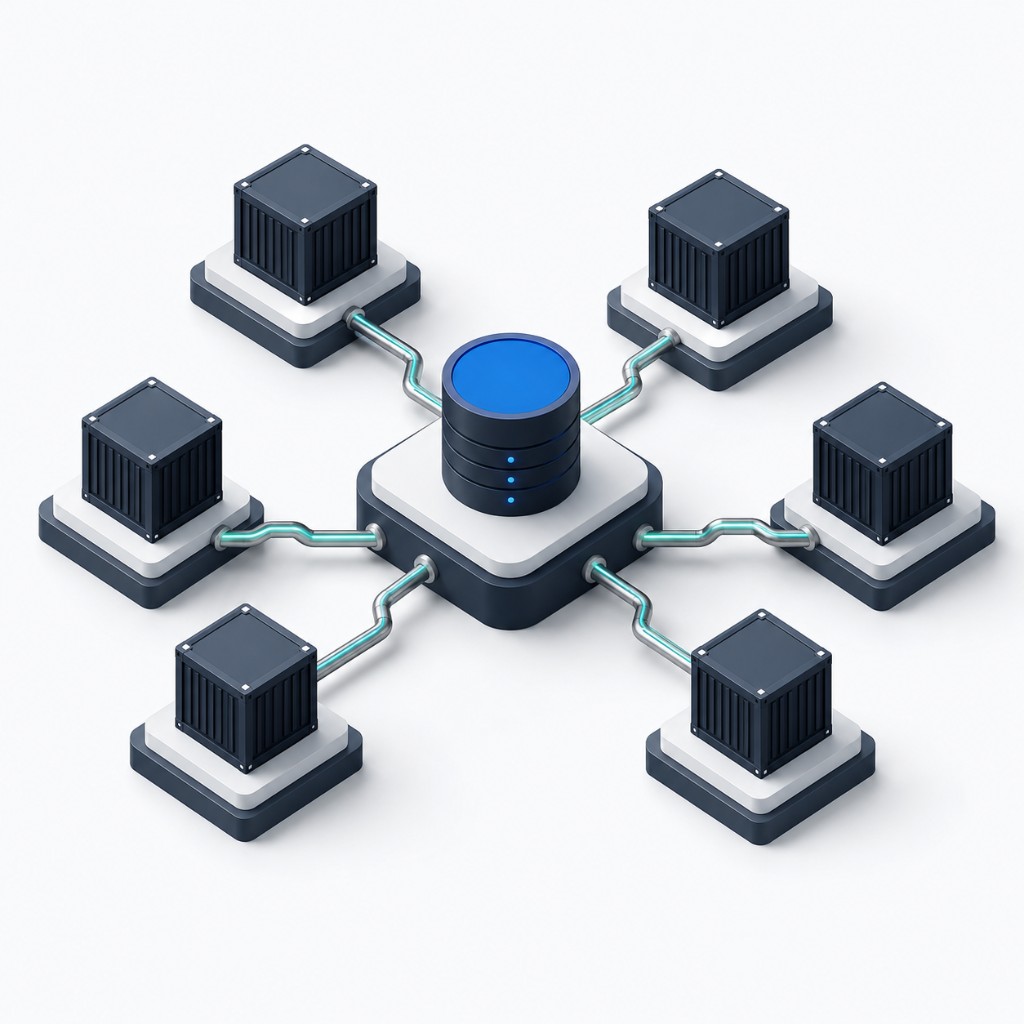
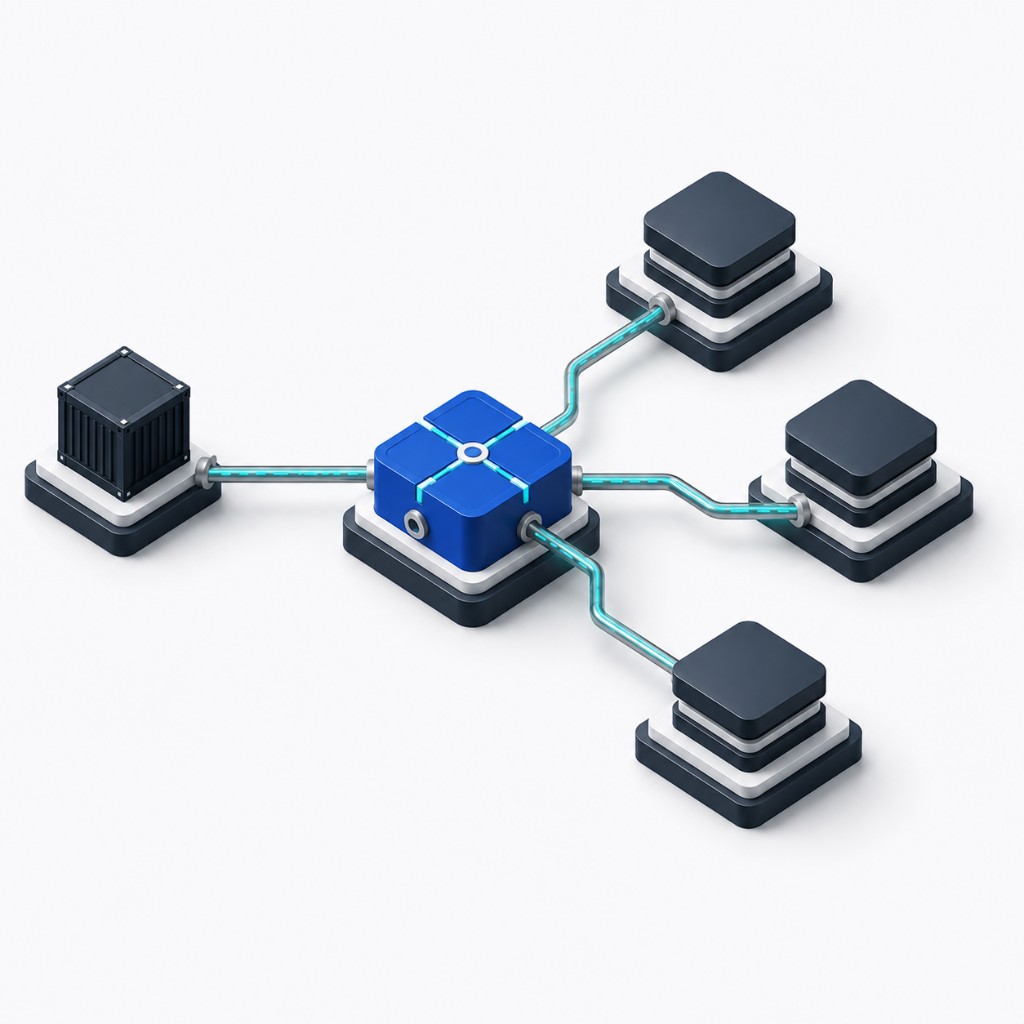
04 · broker · Routing
The broker sorts: which business flux, which queue, which treatment next. One source can feed several paths without rewiring. This is not business logic, not a visual studio. It is routing you can read and verify.
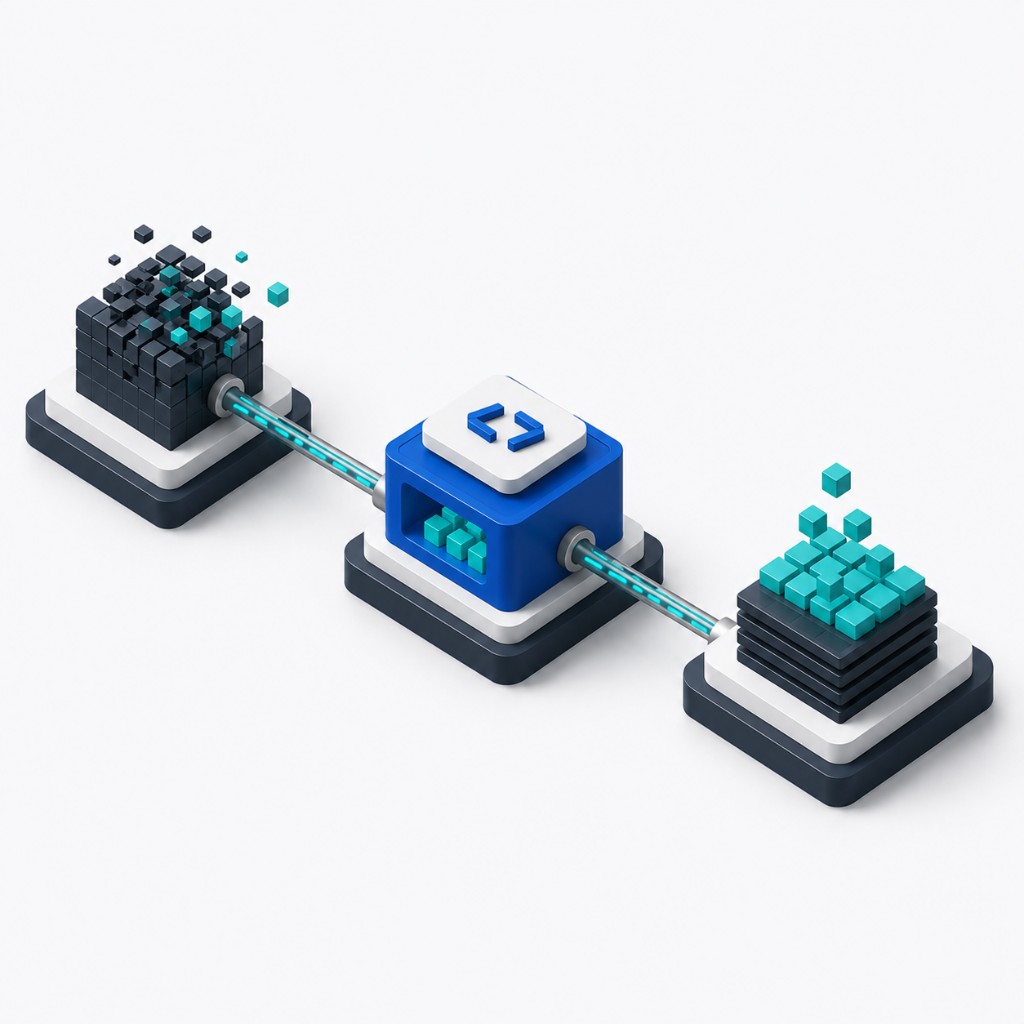
05 · worker · Transform
Your business rules run here: mapping, enrichment, validation. The code lives in your Flux repository (portlane-flux), goes through review like the rest of the estate, deploys when you decide. Not proprietary configuration only a vendor integrator can reopen.
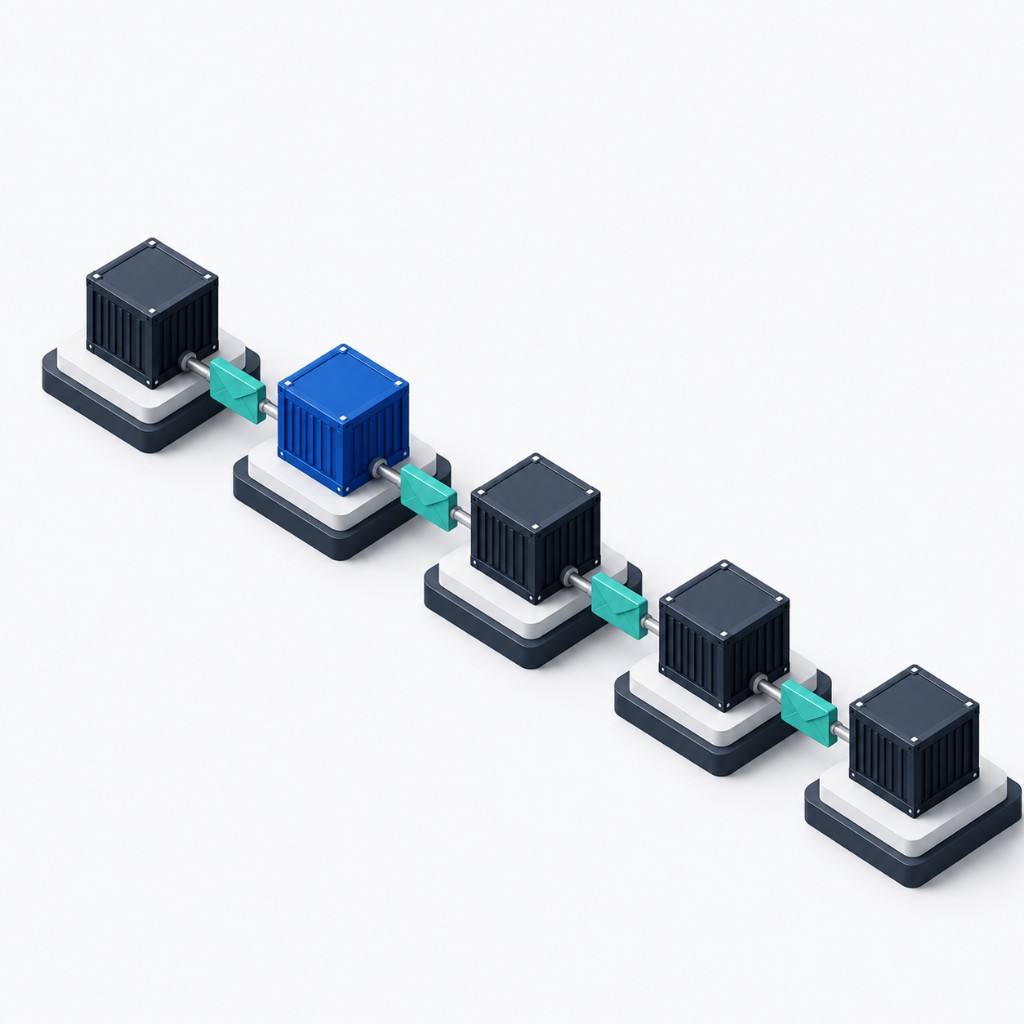
06 · distribute · Delivery
The result goes where your Organisation expects it: business tool, partner, pivot database. The flux ends inside your perimeter. It does not pass through a vendor cloud to exit.
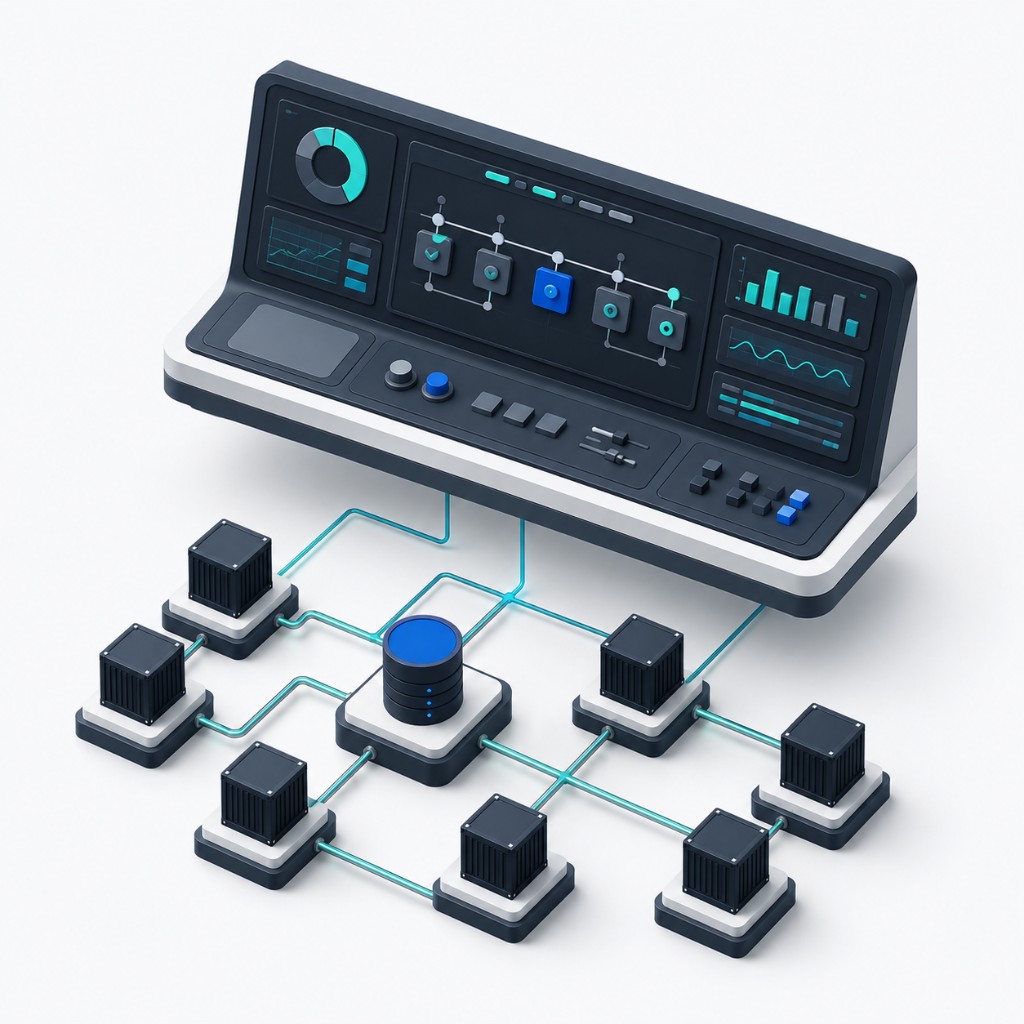
07 · supervision · Tour de contrôle
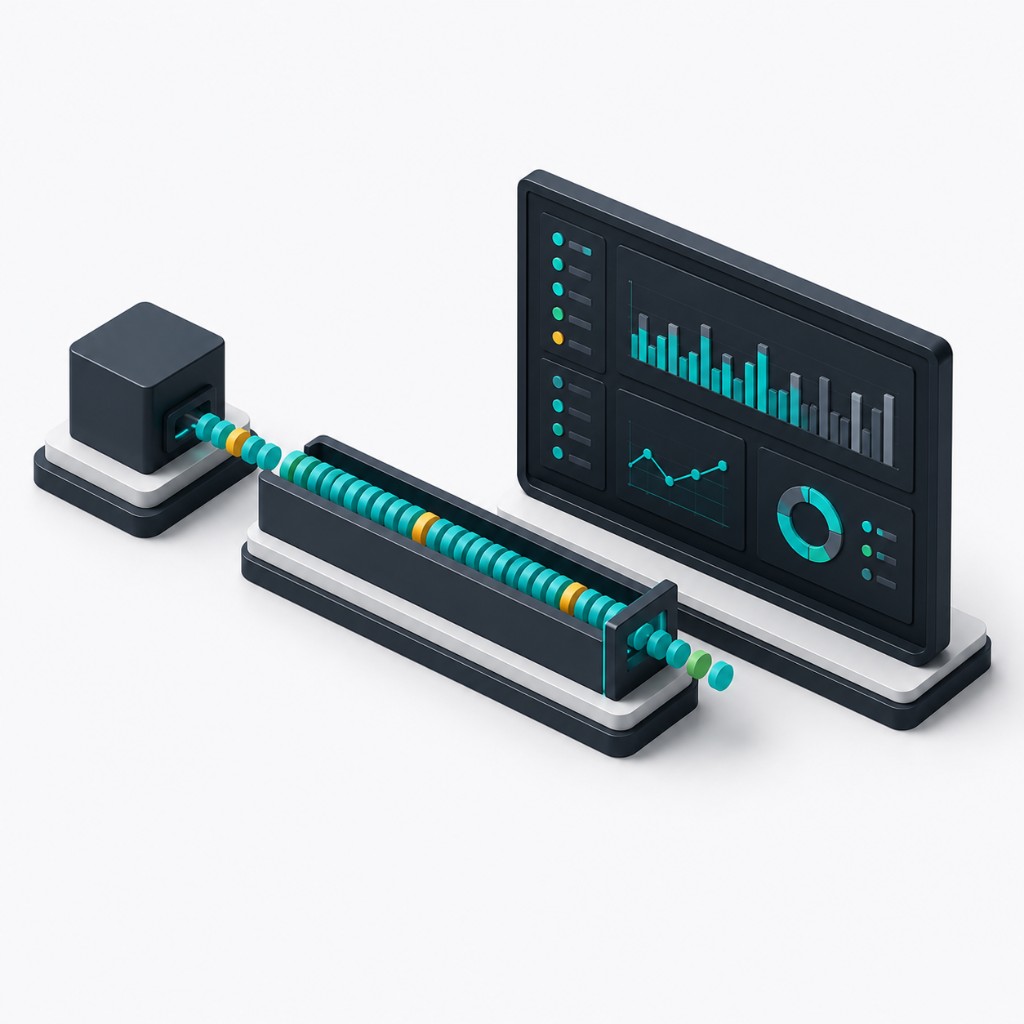
The Tour de contrôle shows what is running, what failed, and what can receive a rejeu. On your instance, not ours. You keep operational visibility and recovery in hand, without a vendor ticket.
From source system to target
Three zones, one direction. Moteurs in the middle do the work. Central memory carries the trace of each enveloppe.
01 · Sources
Where data is born: a partner that sends, a system you query, a business event. APIM holds the door. The listener creates the enveloppe (direct push, or handed off by pooling).
02 · Moteurs
Routing, transform, delivery. Each step picks up work already started. A link restarts, the enveloppe is not lost.
03 · Targets
Where your Organisation consumes the result: business tool, partner, reference system. Data stays with you.
What the path guarantees
- at-least-once · An enveloppe does not vanish into the void. It waits in a queue until processed.
- idempotent · Reprocessing the same enveloppe does not corrupt the target. The contract is designed for that.
- rejouable · A failure receives a rejeu from the Tour de contrôle, on your instance, with an audit trail.
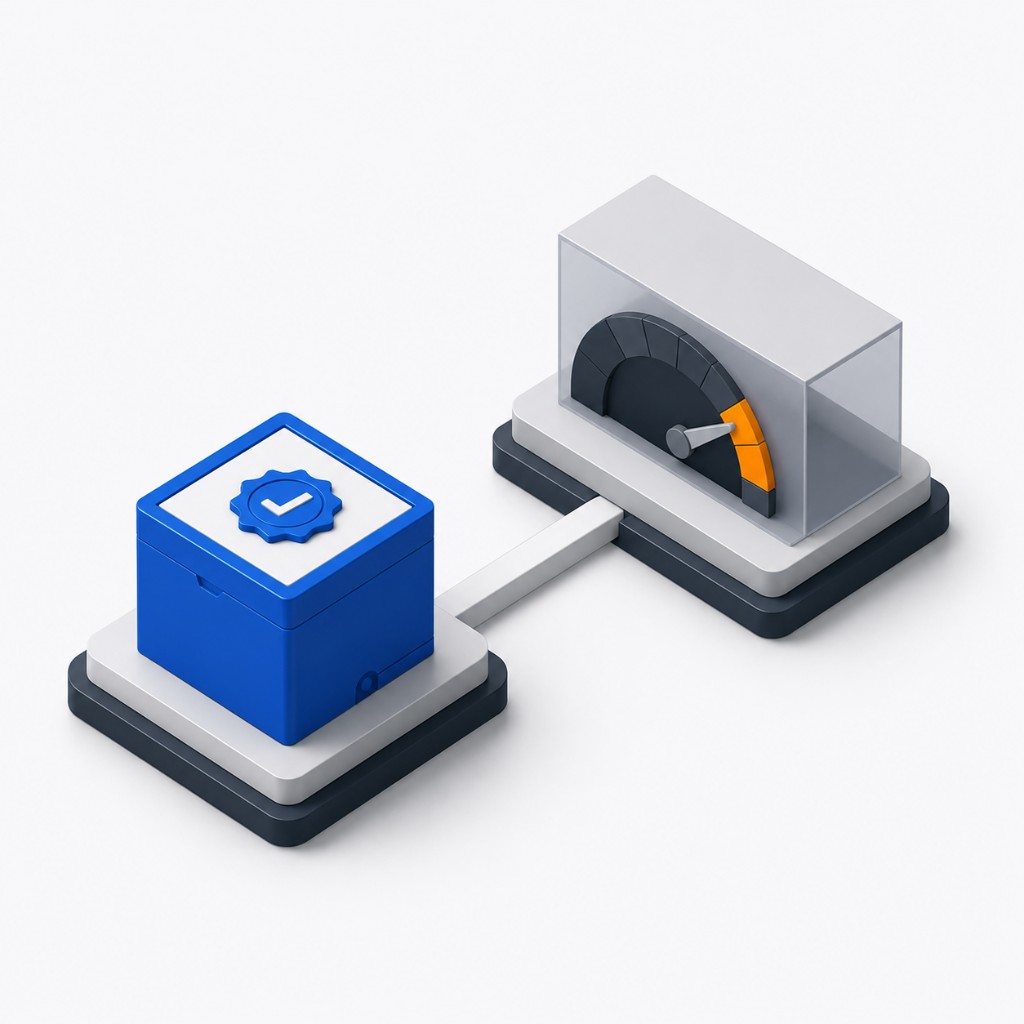
Chez vous. Licence claire.
Why this shape
Classic iPaaS often pulls every payload through a vendor cloud. Portlane inverts that: the platform runs where you already operate. You own the moteurs, the bus, and the transforms. Portlane is not an iPaaS SaaS and not a full ESB/BPM/MDM suite.
For how a single flux is authored (identity card + Python), see Flux.